What Is Judo?
The Gentle Way — a martial art, a sport, and a philosophy for life.
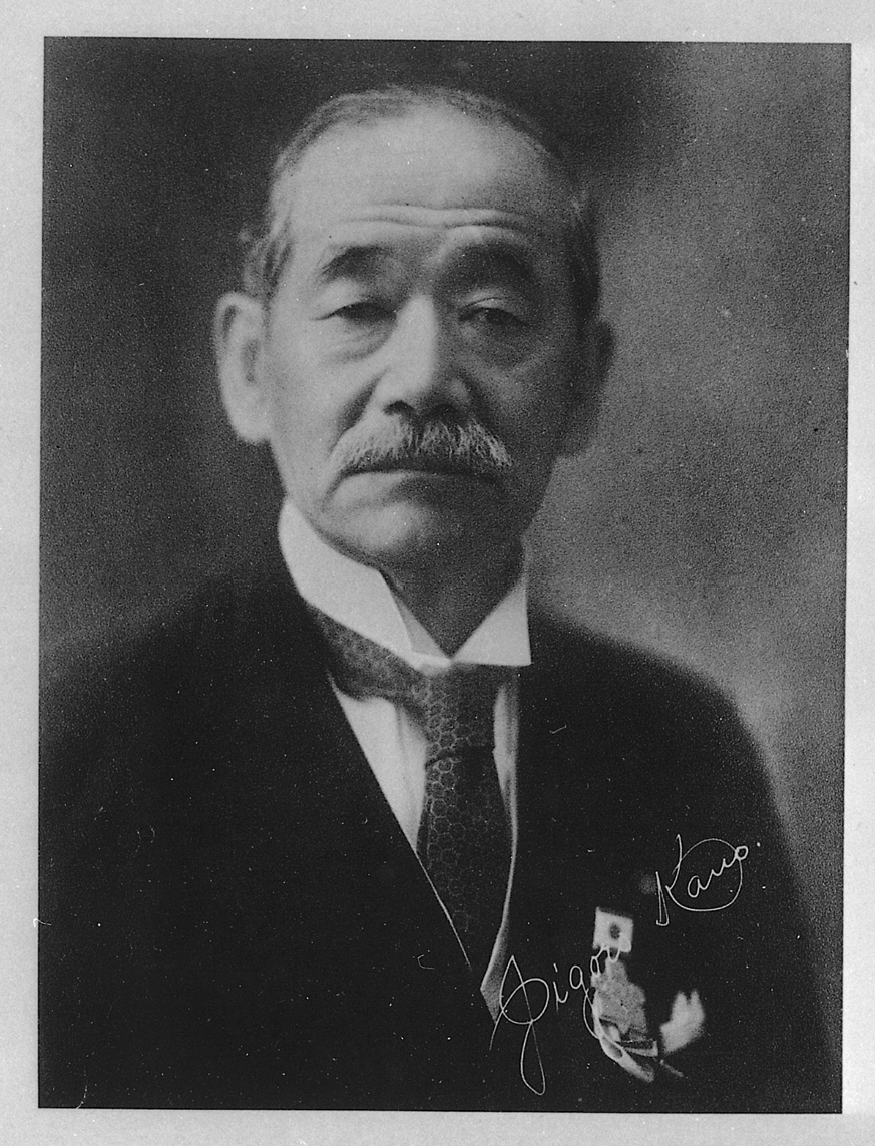
Professor Jigoro Kano — Founder of Judo, 1882 |
The Origin
From a Tokyo Dojo
|
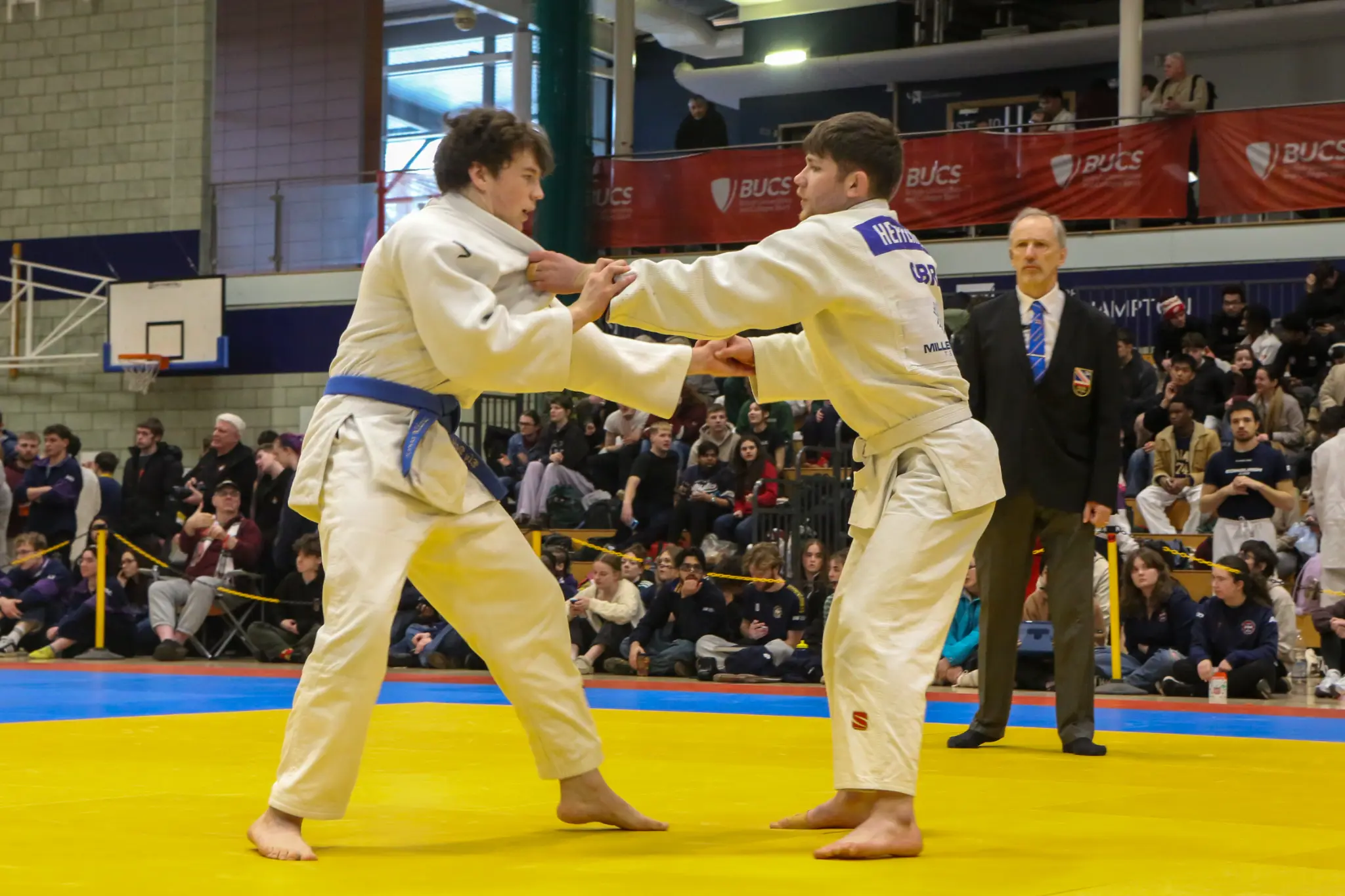
Modern competitive judo — where technique, timing, and intelligence combine to produce some of the most spectacular movements in sport.
The Sport
What Is Judo Today?At its heart, judo is a dynamic combat sport and martial art in which two players — known as tori (the attacker) and uke (the receiver) — use grip, balance, timing, and technique to throw, pin, or submit each other. There are no punches or kicks. Instead, judo rewards intelligence, precision, and physical awareness. A well-executed throw — one that sends the opponent cleanly onto their back — scores ippon, the highest possible score, and wins the contest outright. |
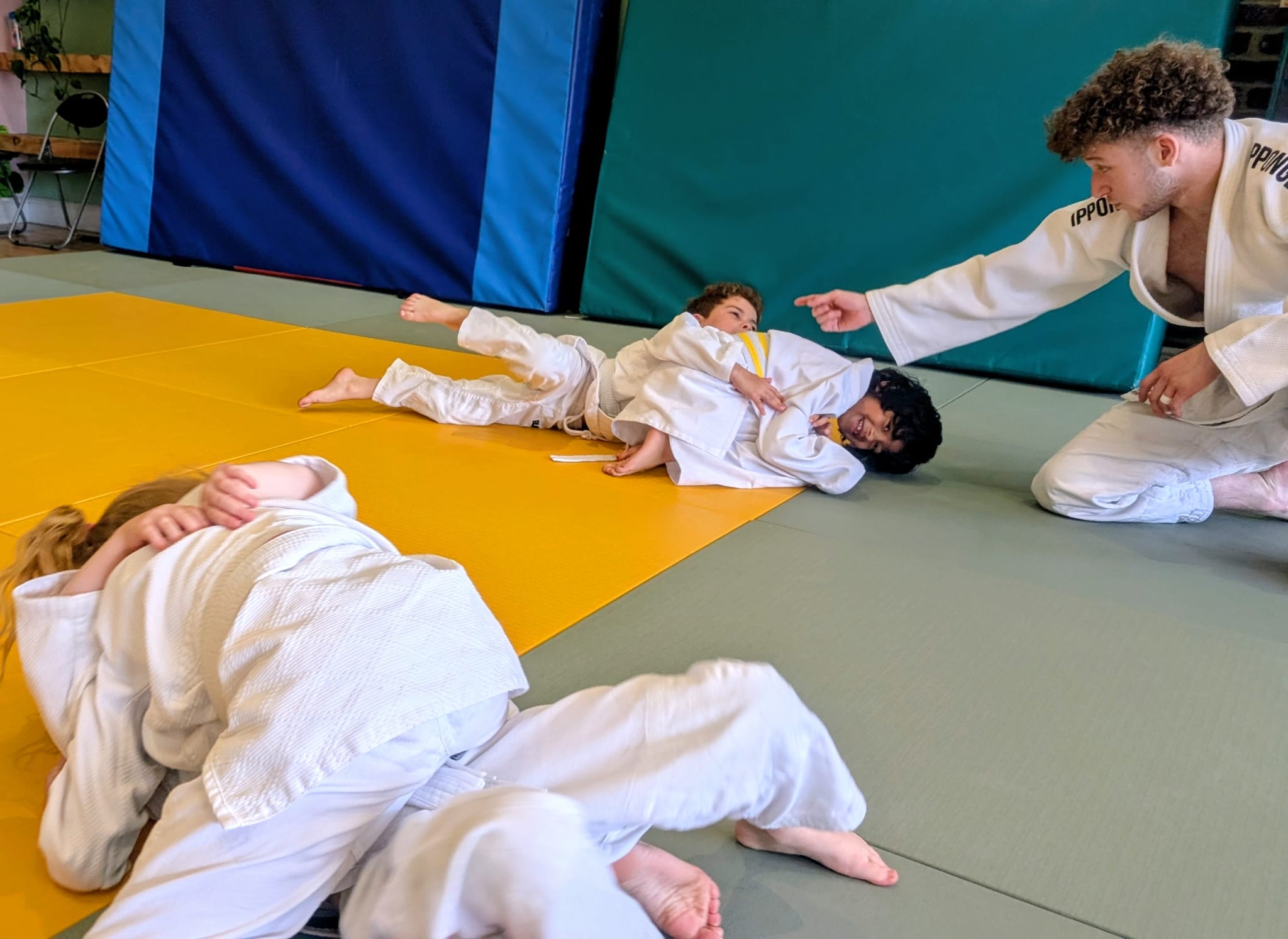
Ne-waza — judo’s groundwork techniques in action |
How Judo Is Practised
Judo is practised in three main areas, each developing different aspects of the art.
|
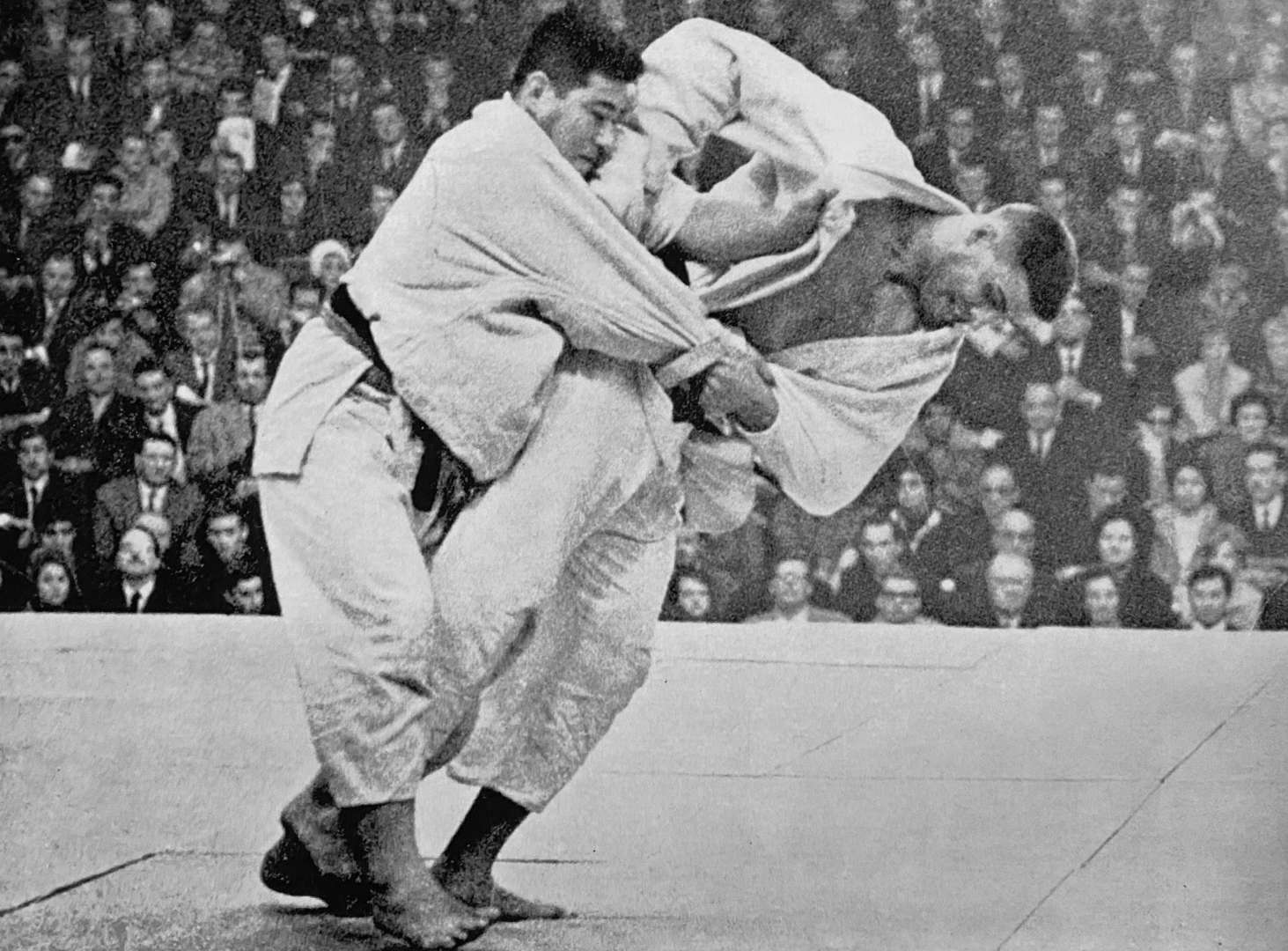
Tachi-waza Standing Techniques A rich library of throwing techniques using the arms, hips, legs, and feet to unbalance and project the opponent to the ground. Throws such as o-soto-gari, seoi-nage, and uchi-mata are among the most spectacular movements in all of sport. |
Ne-waza Groundwork Once on the mat, judo continues. Players use pins (osaekomi-waza), chokes (shime-waza), and joint locks (kansetsu-waza) to control and submit their opponent. |
Kata Formal Practice Pre-arranged sequences of techniques practised with a partner, used to develop precision, understanding, and the deeper principles of the art. |
More Than a Sport
Judo is guided by two founding principles that Jigoro Kano believed should extend far beyond the mat.
|
Seiryoku-Zenyo Maximum Efficiency, Minimum Effort Use skill and intelligence, not force, to achieve your goal. This principle teaches judoka to work smarter, not harder — a lesson that applies in every area of life. |
Jita-Kyoei Mutual Welfare and Benefit Train to improve yourself, and in doing so, help those around you improve too. Judo is a community — every session makes both partners better. |
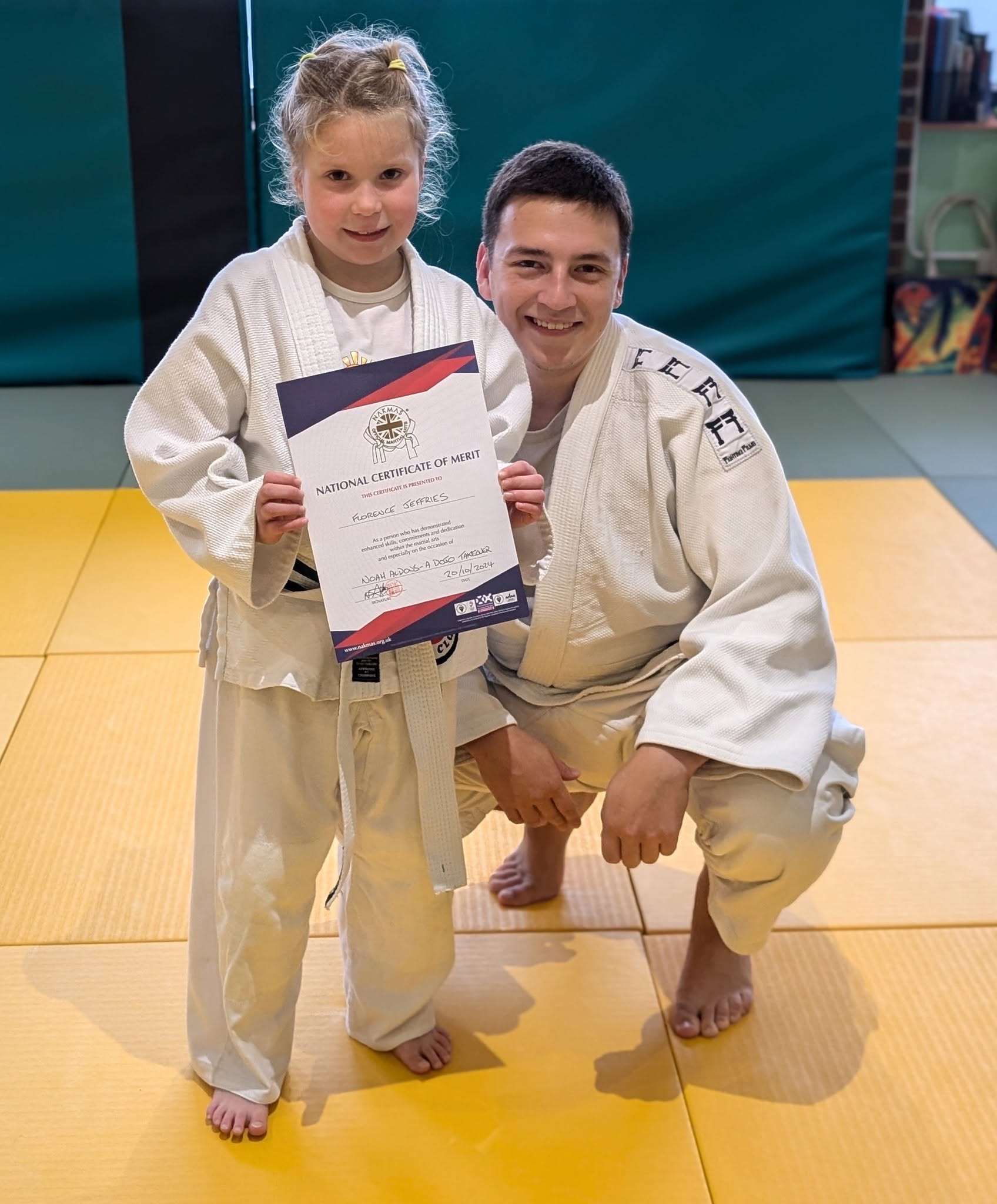
These principles make judo uniquely powerful as a tool for personal development. Children and adults who train in judo develop not only physical fitness, strength, and coordination, but also resilience, discipline, respect, and the ability to remain calm under pressure.
|
For Everyone
Who Is Judo For?Judo is for everyone. It is one of the few martial arts that can be safely and meaningfully practised from the age of five to well into adulthood. Because technique always overcomes strength, smaller and lighter players can — and regularly do — defeat larger opponents. Judo is practised competitively at every level from local club tournaments to the Olympic Games, and recreationally by people who simply want a challenging, rewarding, and sociable way to stay fit and sharp. |
Come and Try It
At Ely Dojo Budo Club, we teach judo in a safe, welcoming, and progressive environment. Whether you are a complete beginner or a returning player, our sessions are designed to help you grow — on the mat and off it.
Step onto the tatami. The journey starts here.