
When Your Child Has a Judo Wobble
How we support young people through changing motivation, tougher weeks and the moments when they need a little more encouragement.

A judo journey often begins with excitement: a new judogi, new games, new coaches and plenty to tell the family about afterwards. Then, sometimes, the feeling changes. A child who could not wait to attend may say they are tired, not good at it, or simply do not want to go that evening. That does not mean they have failed, and it does not mean they have to work it out alone.
A wobble does not mean judo is wrong for them
Once the newness of an activity settles, children meet the parts that require patience: listening carefully, practising a movement again, working with different partners or accepting feedback.
Those moments can feel uncomfortable, especially for a child who is used to getting things right first time. But they can also be where real learning begins. Judo teaches courage, patience, focus and self-control — and reminds children that they are still learning, not failing.
- I found today confusing.
- I did not like making a mistake in front of someone else.
- I was tired, overwhelmed or nervous about a new challenge.
- I am worried because I do not feel I am improving quickly enough.
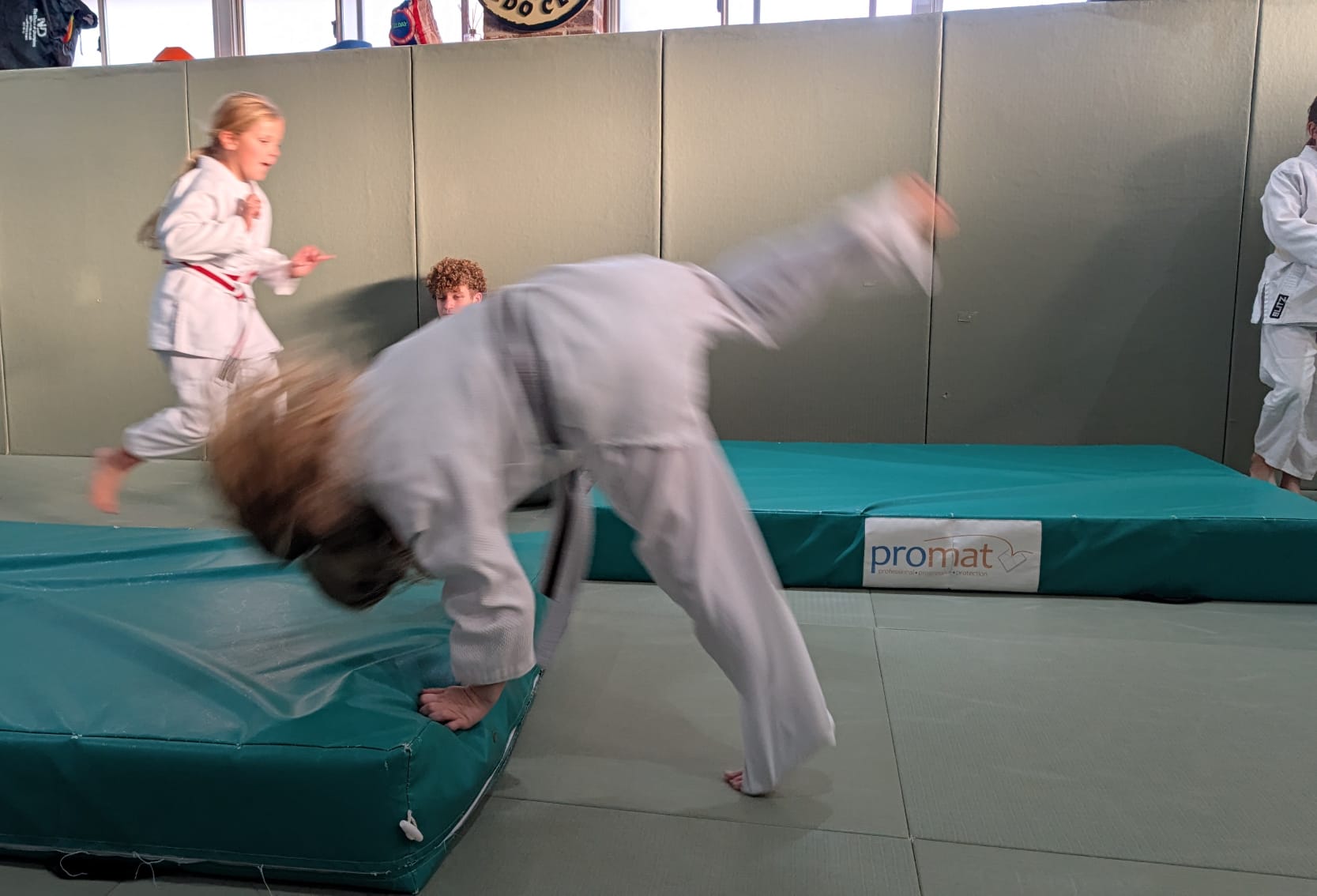
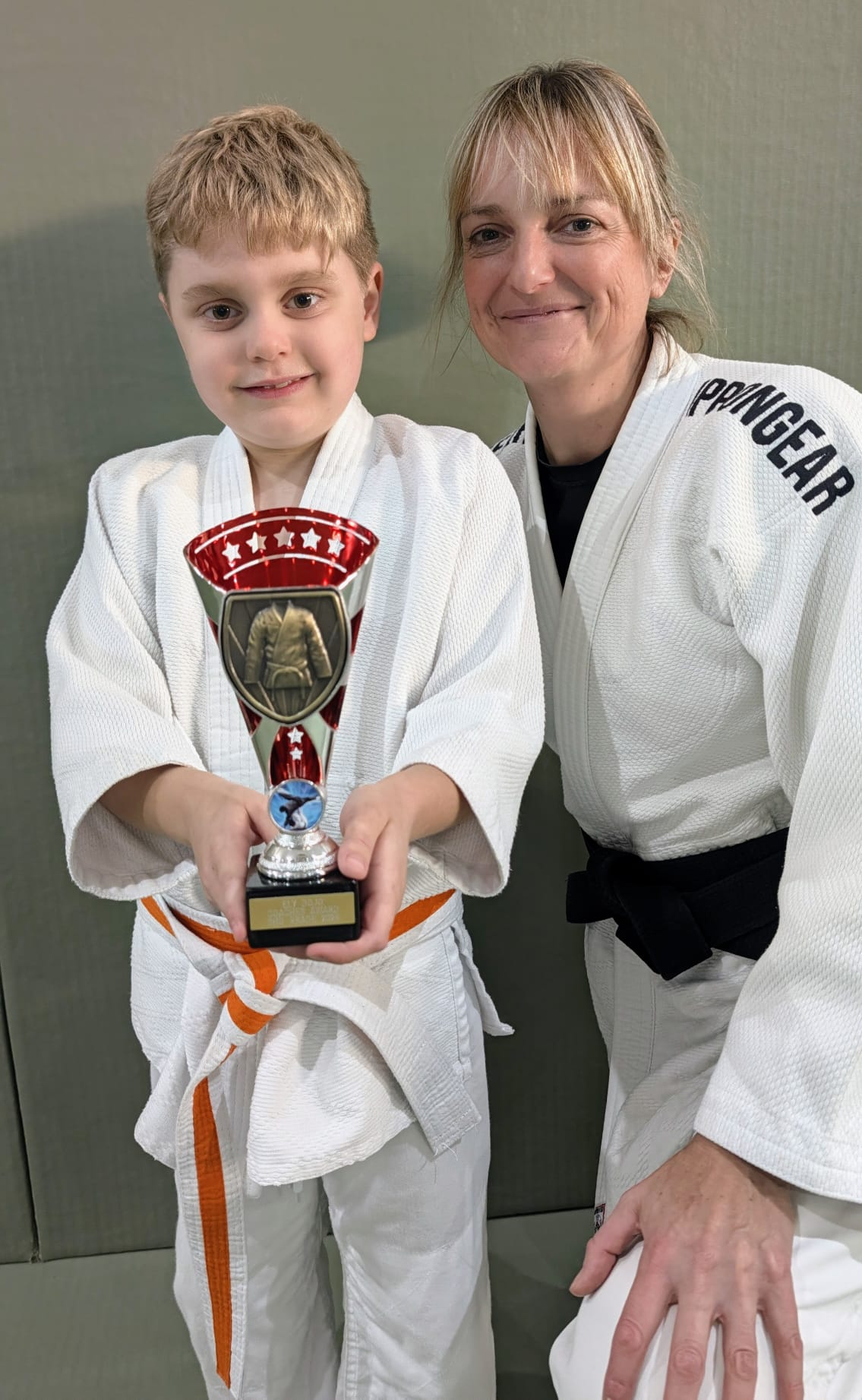
How Ely Dojo helps
We would always rather know early if a member is finding a particular stage difficult. A quiet conversation with a coach lets us understand what is happening and respond thoughtfully.
- Set one small, realistic goal for the next class.
- Give a technique extra explanation or practice time.
- Pair a member thoughtfully with a supportive partner.
- Help them reconnect with the social side of the class.
- Recognise effort and bravery — not only the result.
- Check in and offer encouragement at the right moment.
Encouragement, not pressure
There is an important difference between helping a child through a difficult patch and making them feel they cannot speak honestly. We want young people to learn commitment, while knowing their feelings matter.
Try not to make a final decision in the middle of a stressful moment. A calm conversation away from the rush of getting ready for class can reveal far more than a simple “Did you enjoy it?”
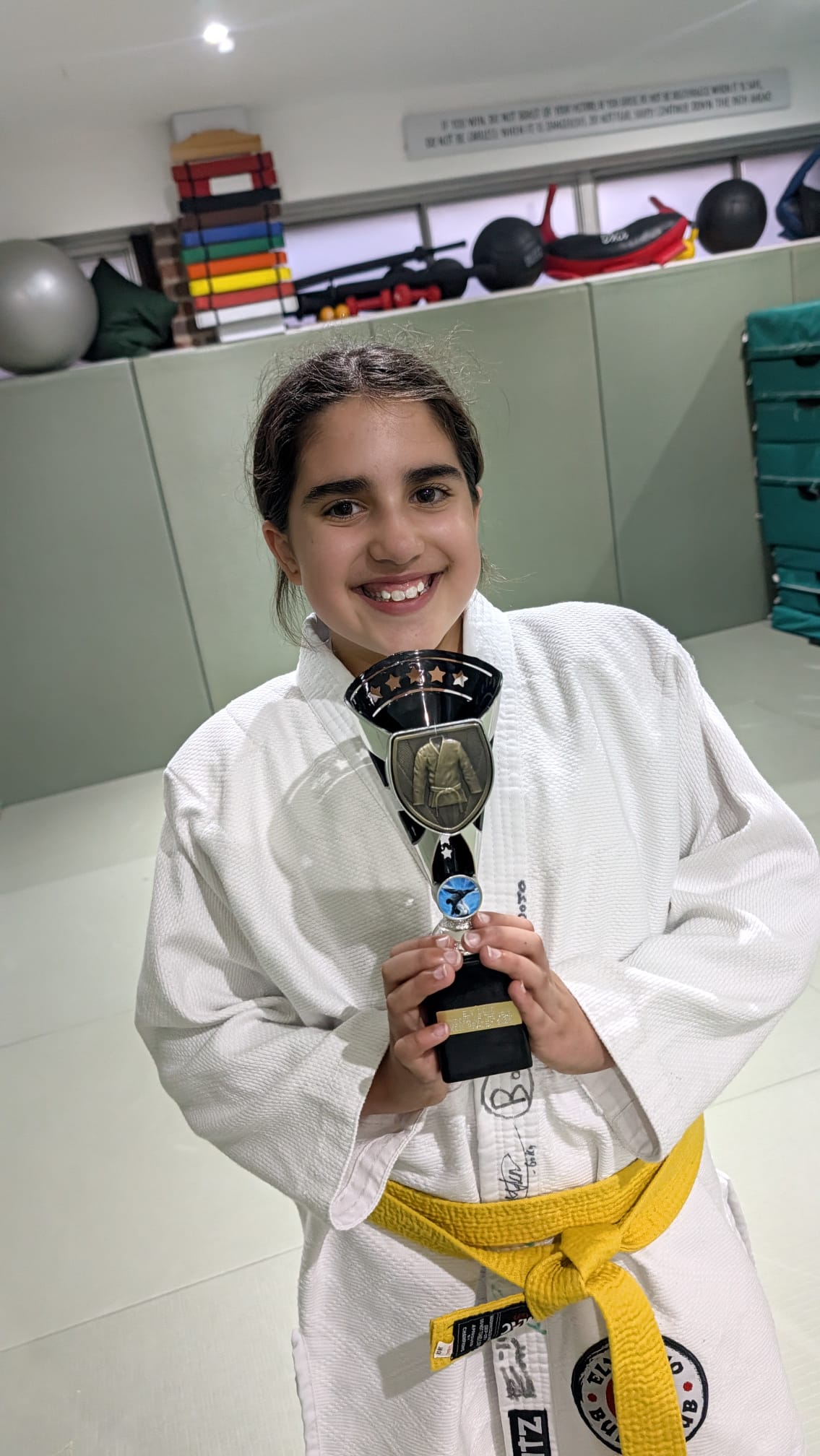
Support at every stage of the journey
Children and teenagers experience challenge differently as they grow. Our role is to make sure that the support feels appropriate, positive and personal.
Ages 5–7
Routine, a calm welcome and active age-appropriate learning help our youngest members build trust and confidence one session at a time.
Ages 8–11
A brilliant age for discovering that progress comes through steady effort, friendship and giving something another try.
Ages 12–15
As school and friendships change, judo can be a positive constant: a place to work hard, belong and build confidence.
Ages 16–18
We respect growing independence, changing priorities and different goals — from competition and leadership to simply staying connected.
When a pause or change is the right decision
Supporting a child through a temporary challenge should never mean ignoring a genuine concern. If a young person feels unsafe, is experiencing bullying, has persistent injury or pain, shows ongoing anxiety, or has needs that the current class cannot properly support, we want to know immediately.
The aim is not to teach children to stay in every situation whatever happens. It is to help them learn when to persevere, when to ask for help and when a change is needed.
What parents can do at home
Parents make a huge difference — not by becoming another coach, but by giving children calm, consistent support.
- Talk when everyone is calm. The best conversation is rarely in the car after a difficult class.
- Ask specific questions. “What was the hardest part?” and “What went well?” often open a better conversation.
- Keep the routine steady. Treat judo as a normal part of the week while you work through a short settling-in period.
- Praise courage and effort. Notice when your child tries again, listens, helps a partner or turns up despite feeling unsure.
- Tell the coach. The sooner we understand what is going on, the sooner we can help.
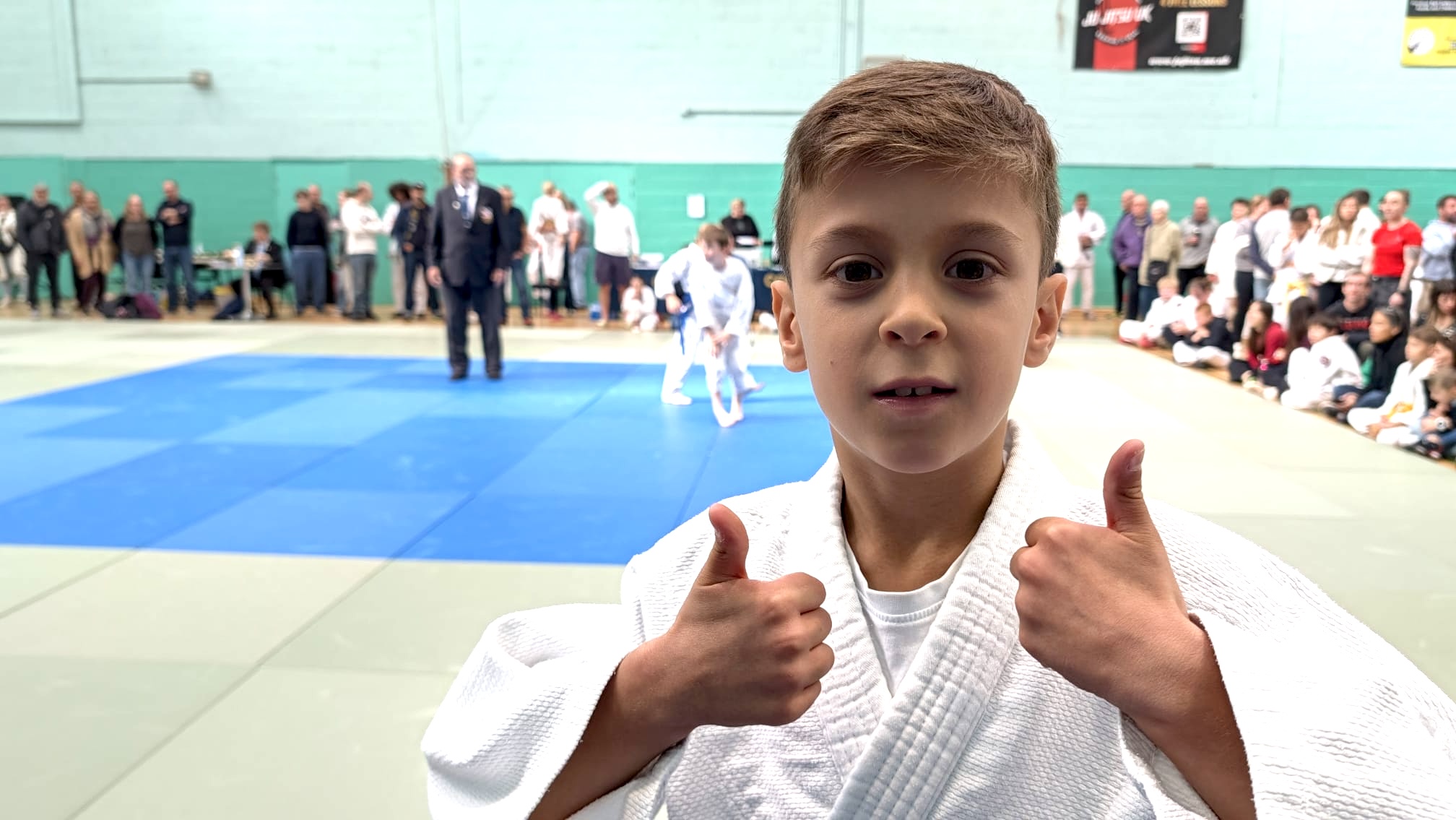
Parents often ask
Should I make my child carry on if they say they want to quit?
There is no single answer for every family. Start by listening carefully, finding out what sits behind their feelings and speaking to one of our coaches. A one-off difficult class may call for reassurance and time; a continuing concern about safety, pain or anxiety should be dealt with promptly.
How long should a child try judo before making a decision?
There is no fixed number of sessions for every child. A short, agreed settling-in period can help a beginner learn the rhythm of class, get to know the coaches and see some progress before deciding.
Is it normal for children to find judo difficult at first?
Yes. Judo includes new movements, close partner work, listening, balance and coordination. The challenge should always feel supported and appropriate for the child’s age — never overwhelming.
We are here for the whole journey
If your child is new to judo, going through a difficult patch or simply unsure whether to continue, please speak to us. A short conversation can often make a real difference.